

Neck Pain After a Car Accident in Conroe: Why It Still Hurts Months Later
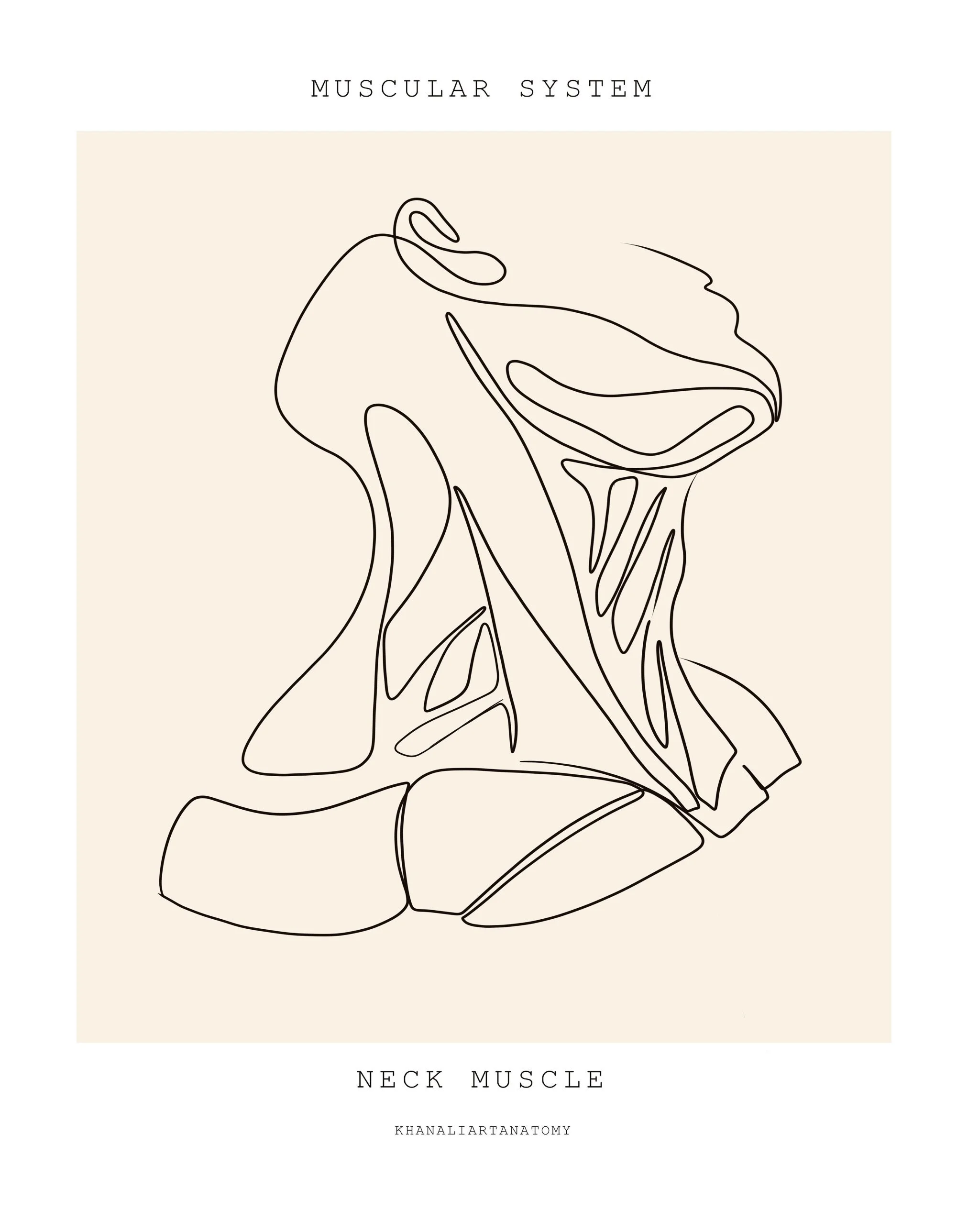
If your neck has not been right since the car accident, here is what might be going on. Weeks or months after a wreck, the neck is usually no longer injured. In most cases the muscles on the front and sides of the neck, along with the muscles across the top of the shoulders, are still guarding. In the crash your head moved faster than those muscles could react, and your brain registered that moment as a threat. The muscles tightened to protect the neck, which is exactly what they should do in the first few days. The problem is that they often never get the message that the danger has passed. The scalenes on the sides of the neck and the upper traps along the top of the shoulders stay braced, the joints at the top of the neck get stiff and irritable, and the nerves in that area become sensitized. Think of it like the volume knob in the brain for pain turning louder, rather than tissue damage driving the pain. Sensitivity like this is common after whiplash. That is usually what you are feeling when your neck is tight again by lunchtime, when a headache climbs up from the base of your skull in the afternoon, or when checking your blind spot still makes you wince. Often clients come to see us after they have completed their insurance-based care and are still dealing with neck pain when they work out, sit for a long time, or get persistent headaches. I see this pattern a lot in clients who were given a collar or told to rest, and in clients whose scans came back normal. Your neck isn’t failing you. It is still protecting you, and often, it has simply forgotten how to relax!
Do I need to see a doctor before physical therapy after a car accident?
Yes. Every neck pain case is different, and in the case of whiplash we always want to make sure you have had proper imaging done and that a physician has cleared you for physical therapy before you are seen. If you have numbness or weakness in an arm or hand, dizziness, trouble swallowing or speaking, or a headache unlike any you have had before, that is a physician or ER visit first, not a physical therapy visit. Once you are cleared, the stiff, braced neck that is weeks or months out and still not settling is exactly what an evaluation is for. Bring your imaging report and the physician’s note to the first visit.
What makes whiplash worse?
The biggest mistake clients make after a wreck is to keep protecting a neck that has already healed. Resting for weeks, wearing the soft collar longer than the ER suggested, or holding the head perfectly still all day tells the nervous system the danger is still here, so the muscle guarding never lets go. Stretching the neck is the other one. Those muscles are braced, not short, and pulling on a braced muscle usually makes it brace harder. Popping the neck is the third. This pattern often comes with nerve sensitivity, so aggressive popping can flare up your system instead of calming it down. What those muscles need is a reason to relax, not more pressure or range of motion.
What helps neck pain after a car accident right now?
Here are the three things I typically tell clients to do first
- NO STRETCHING- instead keep moving, gently. Turn your head a little in every direction a few times a day in your less sensitive range. Small, boring movement tells the nervous system the neck is safe to use again.
- Find your old heating pad. Once the first few days are behind you, apply heat 20 minutes daily across the top of your shoulders, even when they are not aching.
- Exhale to reset. Sit quietly and focus on a long, slow exhale, like blowing through a straw. This drops your ribs down and takes the tension off the muscles on the sides of the neck, which are the ones that lock up after a crash.
If these change your neck even a little, that is useful information. It tells us the guarding is part of the story.
How do you treat whiplash?
When I see a client whose neck hasn’t settled after a crash, the first thing we do is calm the muscles and nerves. This approach is slower and gentler than you might expect from typical physical therapy, because we take into account that a sensitive nervous system interprets change as a threat. We keep the program deliberately simple so it’s repeatable, and we set aside novelty and intense workouts until the pain eases, allowing the nervous system to adapt. Next we focus on breathing, helping the diaphragm take over from the neck muscles. Then we restore movement of the shoulder blades and mid-back so the neck no longer has to hold the head up on its own. Strength training comes last and progresses steadily. Dry needling at the tops of the shoulders often releases guarding quickly, so we usually offer it at the first or second follow-up, and only if the client wants it. If headaches accompanied the crash, we treat them as part of the same pattern.
Your first visit is a 60-minute hands-on evaluation (not a treatment session) because we need to fully understand what is keeping your neck tense and painful before we begin therapy. During the evaluation, your therapist will ask about the crash and any subsequent treatments, assess neck movement, test the nerves that run down your arms, palpate the first rib while observing rib motion as you breathe, and examine the upper-neck joints. Afterwards, we’ll sit together to discuss our findings, and you’ll leave with a simple home routine to start that day. You won’t be rushed, dismissed, or sent home with a confusing handout. We are a private physical-therapy practice in Conroe, offering a personalized plan you can truly understand.
Every follow-up starts in the recovery room. Your therapist has planned a calm, welcoming recovery experience for your transition into the clinic, where you decompress, settle your nervous system, and relax your muscles. That prepares you to get the most out of the hands-on and movement-based portions of your session.
How long does whiplash take to get better?
Every neck pain case is different, so the honest answer is that it depends on how long the neck has been braced and how well you follow your home habits between visits. A neck that is only a few weeks out from a wreck usually relaxes faster than one that has been guarded for months or years, because in the latter case the muscles that should be holding the head up have been getting weaker the whole time and need to be strengthened. We typically see you once or twice a week. Your home habits are part of the Victory Method which is our five minutes a day home strategy that becomes as non-negotiable as brushing your teeth. The goal is that you can calm a flare yourself, so one bad drive on I-45 doesn’t undo a month of work.
How much does physical therapy for whiplash cost in Conroe?
The first visit costs $225 for a full hour. During that hour we establish care and a plan, and determine whether your case is a good fit for our practice. Follow-up appointments are $199 for 45 minutes and include hands-on treatment and dry needling. We are a cash-based, out-of-network practice; HSA and FSA cards are accepted, and many of our clients use CareCredit’s zero-percent interest programs. Texas does not require a referral to see a physical therapist for 30 days, but after a crash we ask that a physician clear you first. If you would like a superbill to submit to your insurance, we can obtain the physician referral on file prior to treatment. You pay for each visit individually, and only the first visit is paid up front.
Questions people ask about neck pain after a car accident
Why do I feel worse a few days after the crash than I did the day of? That is common. The guarding usually builds over the first two or three days as the nervous system settles into protecting the neck. It does not mean something new is wrong. It often means the muscles have decided to stiffen to try to create more stability in the neck region while you heal.
Is it too late if the accident was years ago? No. One client came to us with chronic issues from a car accident almost 30 years earlier. The muscles have been guarding a long time, but a tight or guarding muscle can learn to let go at any age.
Should I wait for my MRI? Yes. We want proper imaging done and a physician’s clearance before your first visit here. Once that is in hand, the imaging usually tells us what is not wrong, and the evaluation tells us what is keeping the neck hurting.
Will you crack my neck? No. This pattern of symptoms comes with nerve sensitivity, and aggressive popping tends to flare it in our experience. We calm the muscles and nerves first and restore the movement gently.
Do you work with my insurance adjuster or attorney? No. We do not take cases that are part of an auto claim. If your care is going through a claim, you will need a clinic that works with the carrier. Many of our whiplash clients come to us after that care is finished and the neck still isn’t feeling quite right.
I was told it was just soft tissue. Does that mean nothing needs to happen? That usually means nothing is broken, which is good news. It does not mean the muscles will let go on their own. Soft tissue is exactly what we treat.
Ready to talk?
Over 600 Conroe neighbors have come through this door. More than 200 of them left five-star Google reviews. You don’t need to wait for it to get worse to get to feeling better. Fill out our contact form and we’ll tell you if we’re the right fit for your case.
Dr. Lindsay Kennedy, PT, DPT, COMT · PhysioVictory, Conroe, Texas
Anatomy line art by Khanali Anatomy, used with permission.