

Chronic Pain in Conroe: When the Scans Are Normal and You Still Hurt
If you’ve seen several providers, your scans came back normal, and you still hurt, here’s what might be going on. With chronic pain I often see the nervous system stuck in a fight-or-flight mode for a long time. After being in pain for so long, the nervous system can start treating things that aren’t really problems as threats, even the treatments that are supposed to help. Think of it like turning up the volume knob for pain in the brain, rather than true tissue damage driving the pain. That’s why we always start at PhysioVictory by calming the nervous system and easing muscle tension first, then bring in strength-building exercises with a steady, graded approach that feels doable for you.
I see this pattern a lot with clients who have multiple doctors and several diagnoses. They usually see one provider for one issue and another for a different one, and they’re understandably overwhelmed, trying to figure out how to actually feel good again. After a few visits, many of our clients tell me they’re just relieved to finally have some guidance on what to do day-to-day. I often say, you can be doing all the right things, but if you don’t feel good, something still needs adjusting. That’s where we come in. We handle complex cases all the time, so you really don’t have to sort everything out before you get here. Many clients are surprised that we remove things from their to-do list rather than adding several more.
Why does chronic pain flare when I try something new?
Your nervous system reacts to change like it’s a threat when it’s super sensitive. We keep our programming simple and repeatable so we get real results, and we save the novelty and intense workouts for when the pain eases if you have higher level athletic goals. That way the nervous system can adapt. Think of your nervous system capacity like a budget: you can spend all your dollars on great things and still end up overdrawn. Your nervous system works the same way.
How do you treat chronic pain at PhysioVictory?
When I see a client with chronic pain, the first thing we do is calm the muscles and nerves. Once the system has settled, we introduce strength building with a steady, graded approach, so every step feels doable to you. If something in the evaluation points to a problem that needs a physician, we will let you know and refer you to the appropriate physician.
Your first visit is a 60-minute hands-on evaluation, not a treatment session, because we need to fully understand what is keeping your pain turned up before we treat it. Afterward, we sit down together to explain what we found, and you leave with a simple plan of a few adjustments to your routine to start that day. You will not be rushed, dismissed, or sent home with a generic printout.
Every follow-up starts in the recovery room. Your therapist has planned a calm, welcoming recovery experience for your transition into the clinic, where you decompress, settle your nervous system, and relax your muscles. That prepares you to get the most out of the hands-on and movement-based portions of your session.
How long does chronic pain treatment take?
The first month is usually six to eight visits, and we typically see you once or twice a week. About ten visits are usually needed for lasting change, and how quickly you get there depends on how long the pain has been going on and how well you keep up your home habits between visits. We prefer to under-promise and over-deliver. Your home habits are part of the Victory Method which is our five minutes a day personalized home strategy that becomes as non-negotiable as brushing your teeth.
How much does physical therapy for chronic pain cost in Conroe?
The first visit is $225 and a full hour focused on finding out what is going on and if your case is a good fit for our practice. Follow-up visits are $199 for 45 minutes, and that’s when we start hands-on treatment and dry needling. We are a private physical therapy practice, so you don’t need a referral to begin in the state of Texas, though we’ll help you get a physician referral on file within the first 30 days. We can provide you a superbill for your insurance once your physician referral is on file if you choose to file for out of network benefits. Many of our clients take advantage of CareCredit’s zero-percent interest programs, which we also accept.
Questions people ask about chronic pain
My scans came back normal. Does that mean the pain isn’t real? No, the pain is real. A normal scan usually shows that there is no tissue damage present which is great news! Scans are typically designed to pick up on more serious injuries like bleeds, spinal cord compromise, ACL tears etc. When you have pain and a clear scan it generally means that you are ready for conservative management through Physical therapy and you probably don’t need surgery! The key is finding a clinic that takes a nervous system informed approach. Pushing through painful exercises, aggressive stretches or frequent adjustments often exacerbates the irritation and pain in these clients.
I have several diagnoses. Can you still help? Yes. We handle complex cases all the time. Bring what you have, and we will start from where you are.
Is this going to flare me up? We go slowly on purpose. Our programming is boringly simple so your nervous system can adapt, and we build strength only as fast as it feels doable to you.
Do I need a referral to start? No. In Texas you can start physical therapy without one. We help you get the physician referral on file within the first 30 days of care.
If you are also hypermobile, read how we work with hypermobility. If your pain started in the neck, read about headaches that start in the neck.
Ready to talk?
Over 600 Conroe neighbors have come through this door. More than 200 of them left five-star Google reviews. You don’t need to wait for it to get worse to get to feeling better. Fill out our contact form and we’ll tell you if we’re the right fit for your case.
Dr. Lindsay Kennedy, PT, DPT, COMT · PhysioVictory, Conroe, Texas
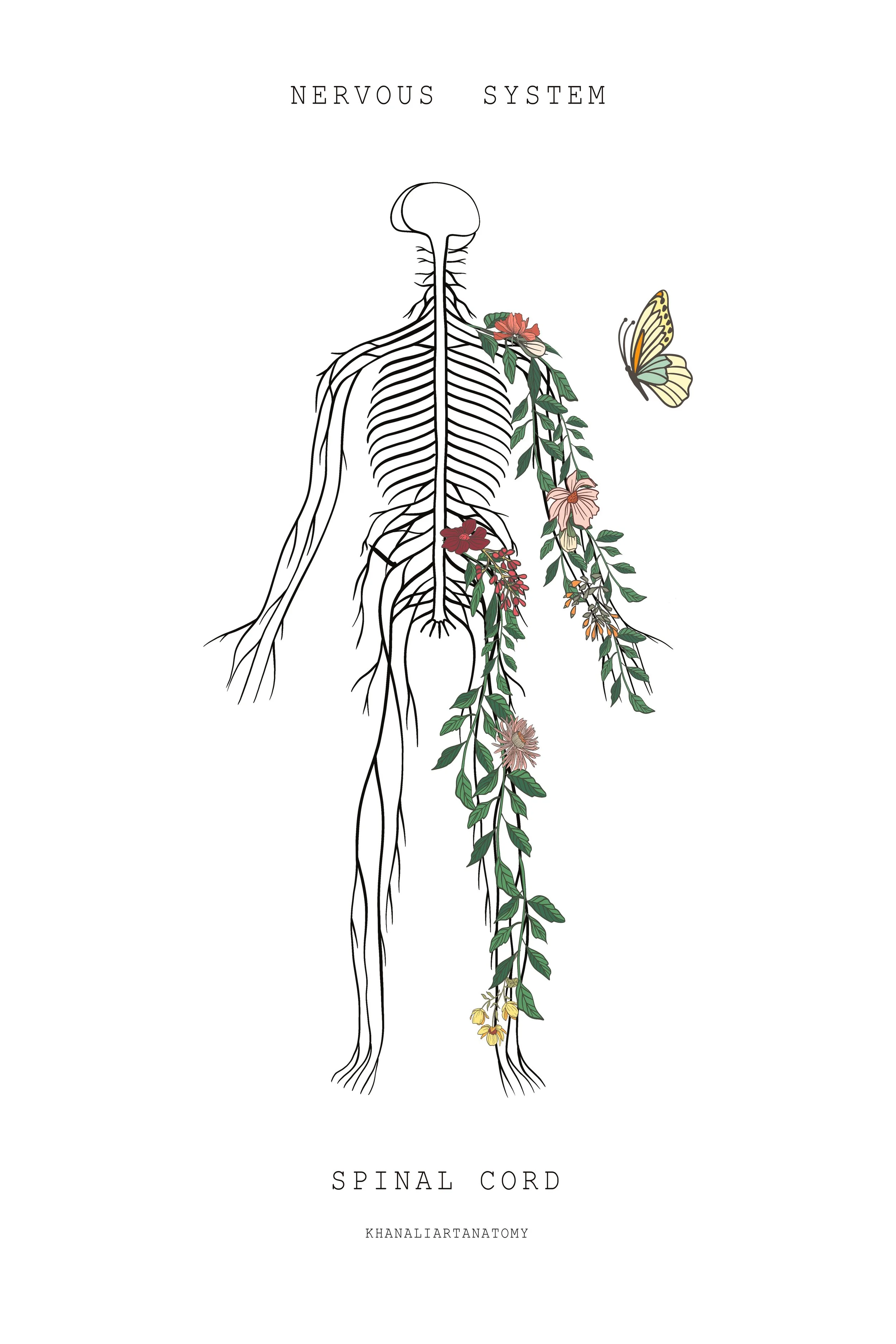
Anatomy line art by Khanali Anatomy, used with permission.