

Why does my hip hurt at night even with a new mattress?
Hip pain at night is one of the most common reasons people come to see us. It has its own page because it often behaves differently from a hip that aches when you walk. In my experience, night pain on the outside of the hip is often about pressure on tissue that is already irritated. Lying on that side presses it between the bone and the mattress. The longer you lie there, the more it complains. A new mattress changes the surface. It does not change the reason the tissue was sore to begin with, which is often why it does not help as much as people hope. In Conroe, with a plan you actually understand.
Who this is for
The person who has not slept through the night in months because turning over wakes them. The one who has tried a new mattress, a pillow between the knees, a mattress topper and a bottle of ibuprofen on the nightstand. The side sleeper who now sleeps on her back and still hurts. The person who gets up in the morning stiff and limping for the first ten steps. We see this most often in women past forty, and it has usually been going on long enough that they have stopped mentioning it to anyone.
The common mistake
Treating the night as the whole problem. The night is when you notice it. In my experience the tissue usually gets irritated during the day: long stretches of standing with the weight hung on one hip, crossing the legs, sitting low in a soft couch, or walking with hip muscles that are not supporting the joint well. Pillows and mattresses can change the pressure at night, and they are worth adjusting. They do not change what is making the tissue sore before you lie down.
The reframe
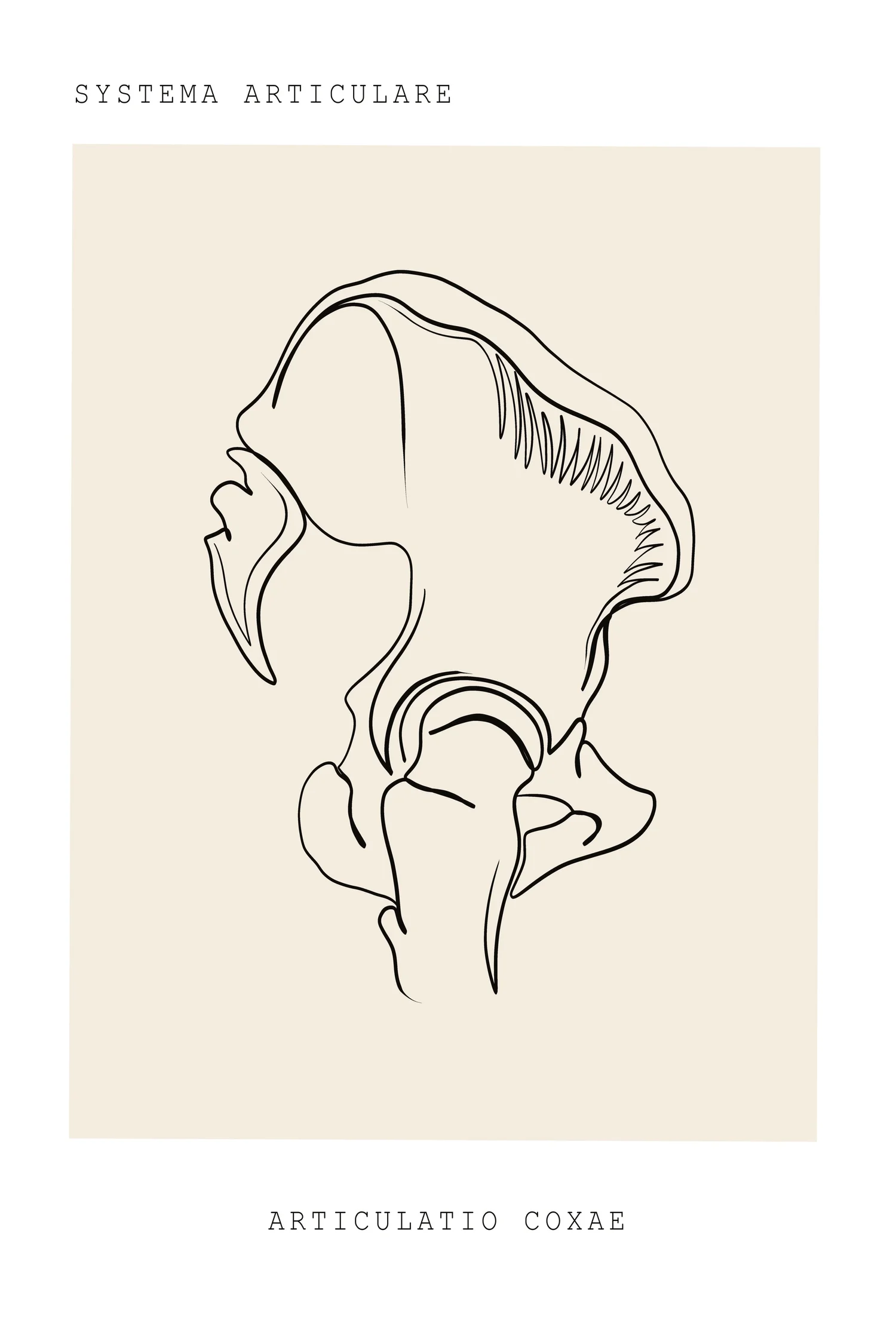
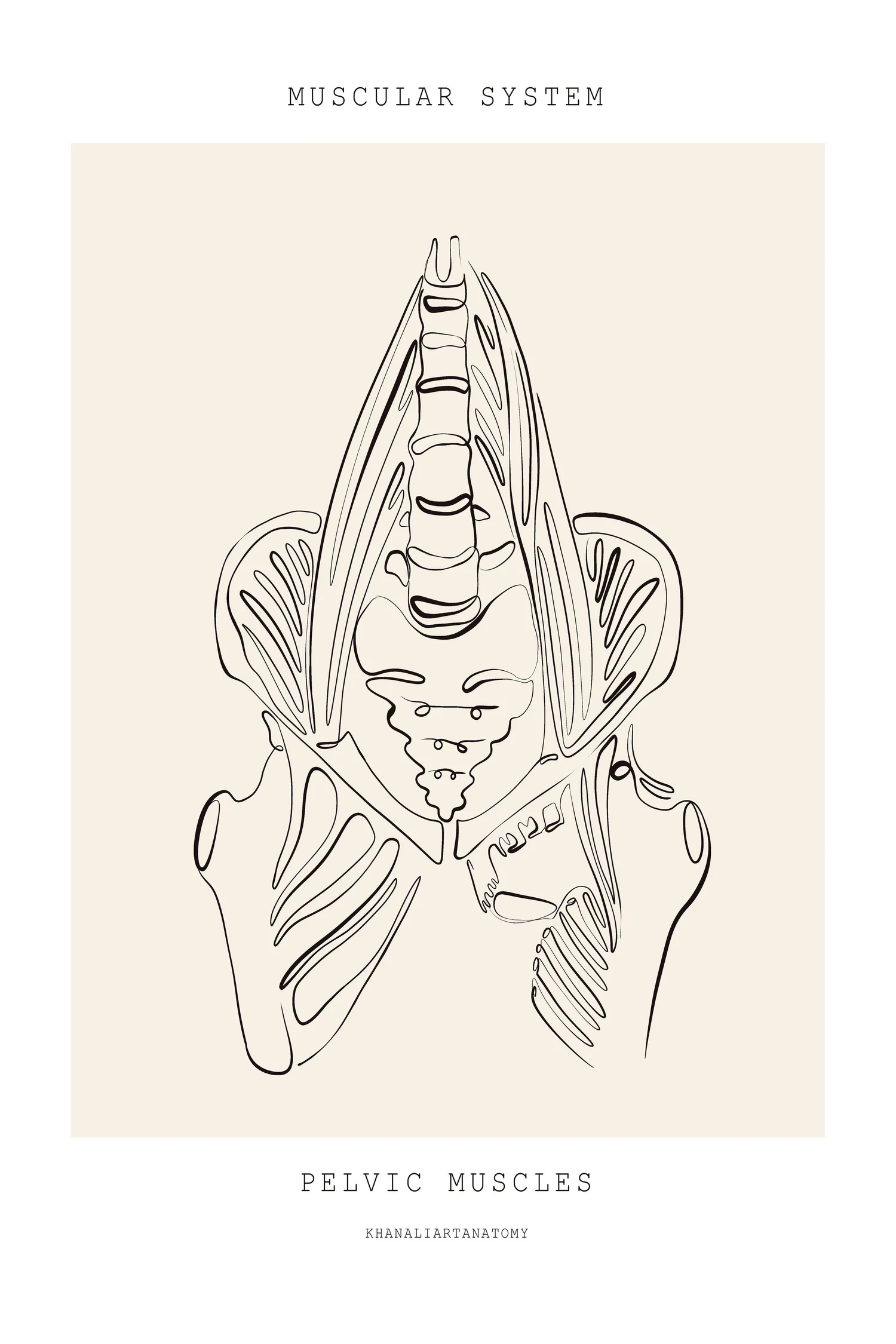
The tendons of the outer hip muscles pass over the bony point you can feel on the side of your hip, with a small cushion between them. When the hip muscles are not supporting the joint well during the day, those tendons overwork. They are bracing to do a job that belongs to the glutes. At night your own body weight presses on them. What we look for is how the pelvis is being supported and what is asking those tendons to do extra work. In the first visits we usually adjust how you sleep and help the guarding in the outer hip settle. Then we begin building the hip's tolerance for pressure, which is a strength task like any other.
What a first visit looks like
Your first visit is a 60-minute hands-on evaluation, not a treatment session. We want to understand what is driving the pain before we treat it. Your therapist checks how you stand and walk, how the glutes are working, the low back and the nerve that feeds the outer hip, and how the hip itself moves. We ask how you sleep and what you have tried. Then we sit down together and work out what is compressing what. We discuss strategies you can begin doing at home that night, starting with your sleeping setup. Then we help you plan out how to get back to feeling like yourself again. You will not be rushed, dismissed, or sent home with a generic printout. We don't do guesswork. Every follow-up starts in the recovery room. Your therapist has planned a calm, welcoming recovery experience for your transition into the clinic, where you decompress, settle your nervous system, and relax your muscles. That prepares you to get the most out of the hands-on and movement-based portions of your session.
How long it usually takes
The number of visits varies. It depends on how long this has been going on and how consistently you do your part at home. Most people feel significantly better in three to four visits. Strength is usually back in about eight. We typically see you once or twice a week. Sleep often improves within the first few visits as the sleeping setup changes. A hip you can lie on comfortably takes the full plan. A hip that has ached for years often needs closer to ten visits for the change to hold. Your home habits are part of the Victory Method. Five minutes a day, as non-negotiable as brushing your teeth. They do most of the work between visits.
What it costs
The evaluation is $225 and follow-ups are $199. Cash-based and out of network; HSA, FSA and CareCredit accepted; superbill once a physician referral is on file. No referral is needed to start. Over 600 Conroe neighbors have come through this door. More than 200 of them left five-star Google reviews, more than any other physical therapy clinic in Conroe.
When we'll send you somewhere else
In my experience, people who have been dealing with hip pain for a long time often have a sensitized nervous system. That can produce odd symptoms that tend to calm down once they understand what is actually going on. One evaluation is the right place to start. If we see any medical red flags, we will refer you out rather than recommend treatment.
Questions people ask
Which side should I sleep on? Many people find the other side more comfortable, with a pillow between the knees and one in front to rest the top leg on. If both sides hurt, a lot of them do better on their back for now. None of that is a prescription. The sleeping setup is one of the first things we sort out together at your evaluation.
Is it bursitis? Sometimes. In my experience the bursa is often irritated along with the tendon above it, and the tendon is overworking for a reason we can usually find.
Will an injection fix it? It can quiet the pain for a while, and for some people that is useful. It does not change why the tendon got sore, so we usually suggest the movement work alongside it.
Should I stretch my IT band? I usually do not recommend it. The IT band is not a muscle and does not stretch the way people expect, and rolling it can irritate the tissue underneath.
What to do this week
- Know that the night is usually when you notice it, not when it gets irritated. Long stretches of standing with the weight hung on one hip during the day are often what sets the tissue up to complain later. That is something we work on together.
- Many people sleep more comfortably with a pillow between the knees and one in front of them, so the top leg rests on it rather than falling forward. It is not a prescription, just something a lot of them find helpful while the hip settles.
- Fill out the contact form and tell us how long the nights have been like this.
Ready to talk? You don't need to be in crisis to get care. Tell us what's going on and we'll tell you if we're the right fit. Fill out the contact form and our team will reach out, usually the same business day.
Anatomy line art by Khanali Anatomy, used with permission.