

Dry needling in Conroe, TX
Yes, we offer dry needling. We use it as one tool within a larger treatment plan. First, we want to understand what may be contributing to the tension. Then we can decide whether dry needling makes sense and what movement or hands-on work may help you afterward. If you're looking for a stand-alone needling appointment, this may not be the right fit.
Who this is for
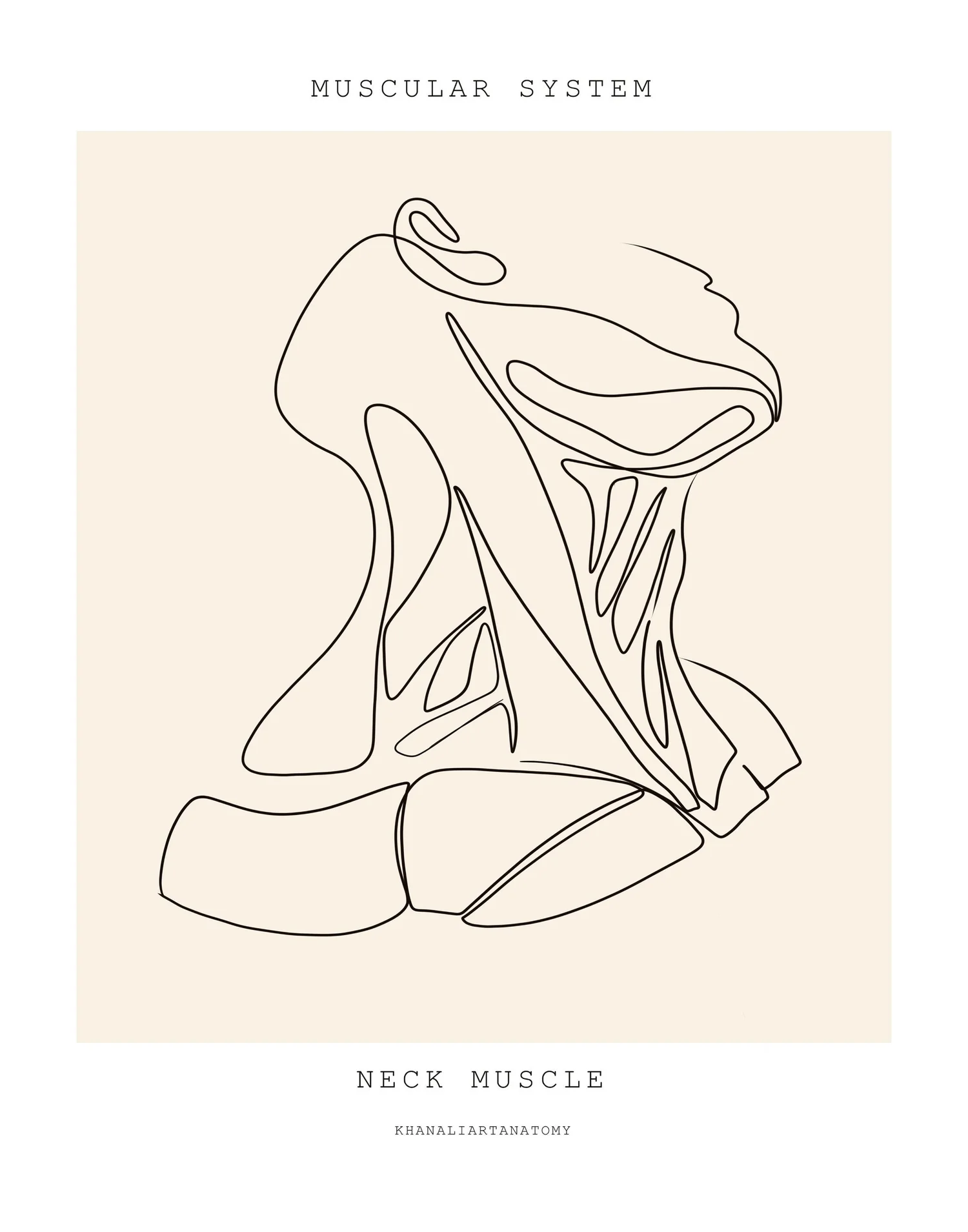
Most of the people we needle come in with neck or jaw tension that massage hasn't improved. Many clients have hip or glute tension and have been foam rolling or massaging it without results. Another common group is short hamstrings that have been stretched or foam rolled for years, and the problem has persisted despite their attempts at self-treating. Timing depends on the area. Upper trap needling tends to give a quick result, so we often do it at the first or second follow-up. With the hips, we usually start with isometrics so you have something at home that begins settling those muscles, since you use them for thousands of steps a day. If hip needling is needed, that tends to happen around visit three or four. Either way, it is a tool to help calm the muscle, and for most people it is far more comfortable than a deep tissue massage on the same knot.
If needles make you anxious, please tell us. A nervous system that is bracing for a needle tends to guard, and that works against what we are trying to do. We always tell clients that if they find themselves gritting their teeth because it feels too intense, your therapist will pull the needle out and either stop or find a better spot. It does not need to be uncomfortable or intense to work. We have other ways to help a muscle relax, including hands-on work, cupping and gentle joint movement, and we will choose what fits you.
The mistake people make
The most common one is treating dry needling as something you buy by the session. A muscle that releases on the table and is not given anything to do afterward tends to tighten again within days. The second is stretching. Stretching a muscle that is tight rarely works, because it is working too hard for a reason. In my experience, stretching a tight muscle that is compensating for one of its neighbors tends to create more tension within a few hours of the stretching or massage session. Calming the overworking muscle and then training the one that has been on vacation is the method that tends to produce lasting results.
What's usually going on
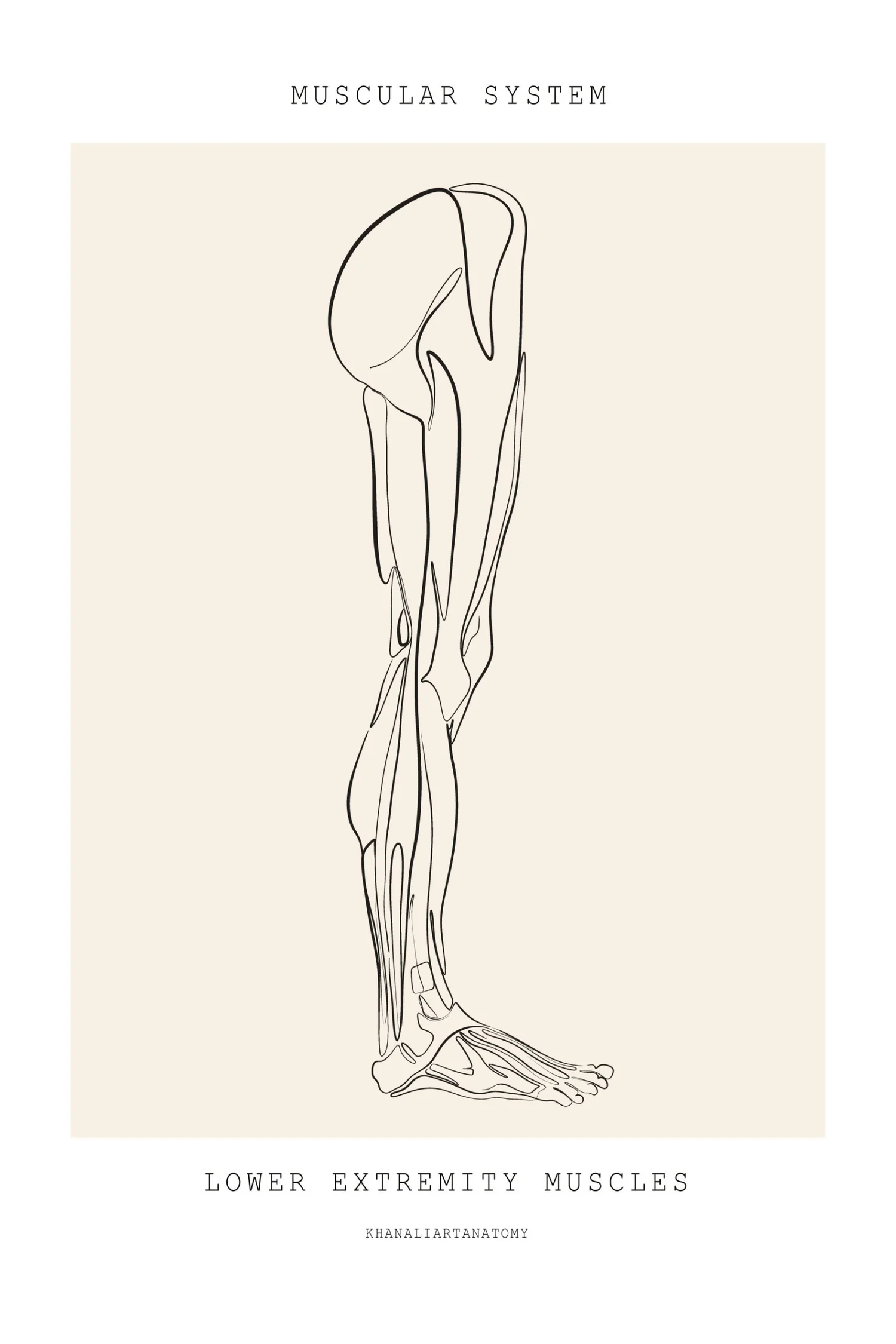
A muscle that feels tight is generally bracing because it is trying to do a job it was not made to do. It is trying to replace the work of one of its neighbors. For example, when we see a client with knee pain, the problem is often the hip muscles that control the side-to-side motion of the knee. The real problem is frequently not what hurts, or does not hurt as much as the secondary problem that developed because of it, in this case an imbalance at the hip. That is why the sore spot and the real driver are often a joint apart, and why I trained my team to assess more than the spot that hurts.
What a first visit looks like
Your first visit is a 60-minute hands-on evaluation, not a needling session. We want to understand what the muscle is compensating for before we treat it. Your therapist tests how you move, looks at the joints above and below the sore area, and finds what seems to be driving it. Then we sit down together, explain what we found, and discuss strategies you can begin doing at home to help things settle. For example, when sciatic nerve irritation or a hip imbalance is contributing to knee pain, we often remove stretching from the home routine altogether. We make recommendations for what is going to help settle the root issue, and we help you plan out how to get back to feeling like yourself again, and how to make your body happy with you. You will not be rushed, dismissed, or sent home with a generic printout. We don't do guesswork. Needling usually begins at your first follow-up. Every follow-up starts in the recovery room. Your therapist has planned a calm, welcoming recovery experience for your transition into the clinic, where you decompress, settle your nervous system, and relax your muscles. That prepares you to get the most out of the hands-on and movement-based portions of your session.
When the needle goes in, most people feel a light tap and then a deep, dull ache for a few seconds, sometimes with a brief muscle twitch. The next day the spot often feels sore in the way a hard workout does, and that usually fades within a day or two. We typically choose two to four spots rather than treating everything at once. Then we move into active work while the muscle is quieter.
How long it usually takes
The number of visits varies. It depends on how serious the problem is and how consistently you do your part at home. Most people feel significantly better in three to four visits. Strength is usually back in about eight. We typically see you once or twice a week. You also get a five-minute daily plan to do at home. A small recent problem, like a calf that seized up on your long run last week, is often one or two visits. Tightness that has been there for years usually takes closer to ten visits before the change holds on its own. Often the reason a problem became chronic is that previous self-treatment or rehab never strengthened the muscle causing it in the first place. They calmed the muscle, got out of pain, and returned to their workouts, lifestyle or workload. What was missing was the true time under tension needed to build that muscle back to full function.
What it costs
The evaluation is $225 for the full hour. Follow-up visits are $199, and dry needling is part of the visit rather than an added charge. We are cash-based and out of network. You can use an HSA, FSA or CareCredit, and we provide a superbill once a physician referral is on file. You do not need a referral to start. Over 600 Conroe neighbors have come through this door. More than 200 of them left five-star Google reviews, more than any other physical therapy clinic in Conroe.
When we'll send you somewhere else
In my experience, people who have been dealing with tightness for a long time often have a sensitized nervous system. That can produce odd symptoms that tend to calm down once they understand what is actually going on. One evaluation is the right place to start. If we see any medical red flags, we will refer you out rather than recommend treatment.
Questions people ask
Is dry needling the same as acupuncture? No. Acupuncture uses thin needles along traditional meridians. Dry needling places a thin needle into a specific tight band of muscle to change its tension and how it fires. At PhysioVictory, we purposefully use a very gentle method of dry needling. The clinician's hands stay on the treated muscle at all times, and only one live needle is placed at any point in time. Many clients who are nervous about acupuncture or e-stim-based dry needling find our approach effective and comfortable.
Can I come in just for needling? We typically don't recommend dry needling as a standalone visit. The exception is a very acute muscle issue that started less than five days ago. Needling without the movement work behind it tends to give short-term relief. We would rather help you get lasting change.
Does it hurt? Most people describe a cramp, a twitch or an ache. Some feel a post-workout type of soreness that lasts a day or two. Most people are surprised at how much relief they get without any soreness at all.
What if I don't want needles? Then we don't use them. We have other ways to help a muscle relax, and we will decide together what fits you.
What to do this week
- If you have been stretching the same tight spot for months without change, give it a rest for now; it may be working overtime for something else.
- Notice when the tightness builds, such as after sitting, after lifting, or after a stressful day, and jot it down. That pattern helps us know where to look.
- Fill out the contact form and tell us what you have tried. Our team will reach out to find you a time.
Ready to talk? You don't need to be in crisis to get care. Tell us what's going on and we'll tell you if we're the right fit. Fill out the contact form and our team will reach out, usually the same business day.
Anatomy line art by Khanali Anatomy, used with permission.