

Frozen shoulder
If someone has told you that your frozen shoulder will simply take two years to run its course, I would like to offer another way to think about it. In my experience it does not always take that long. It rarely needs the painful forcing that makes people dread their appointments. Part of what happens in a frozen shoulder is that the muscles around the joint begin guarding it. I trained my team to help those muscles settle first. Then we restore motion gradually, at a pace the joint can tolerate. In Conroe, with a plan you actually understand.
Who this is for
This is for the person who cannot reach the top shelf or fasten a bra, who has lost the ability to sleep on that side, who had a minor injury or a surgery or sometimes nothing at all and watched the shoulder stiffen over a few months. It shows up most in people between forty and sixty, more in women, and more in people with thyroid trouble or diabetes, though we see plenty who fit none of that.
The mistake people make
Forcing it. In my experience, a frozen shoulder that is pushed hard into painful range tends to guard harder. Aggressive stretching can make the stiff phase feel longer. The other mistake is waiting for it to thaw on its own. Meanwhile the neck, the ribs and the shoulder blade quietly pick up habits that outlast the frozen shoulder itself.
What's usually going on
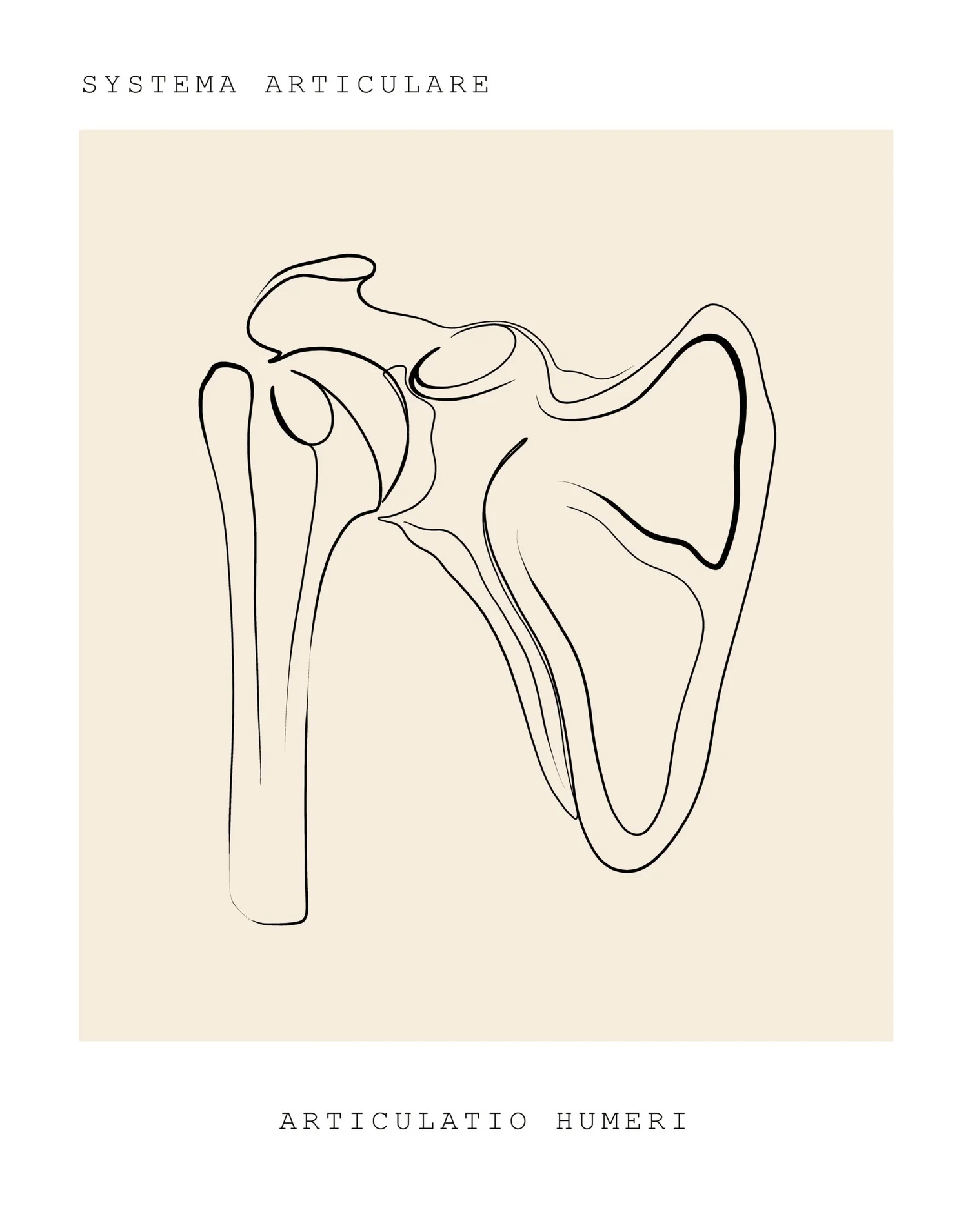
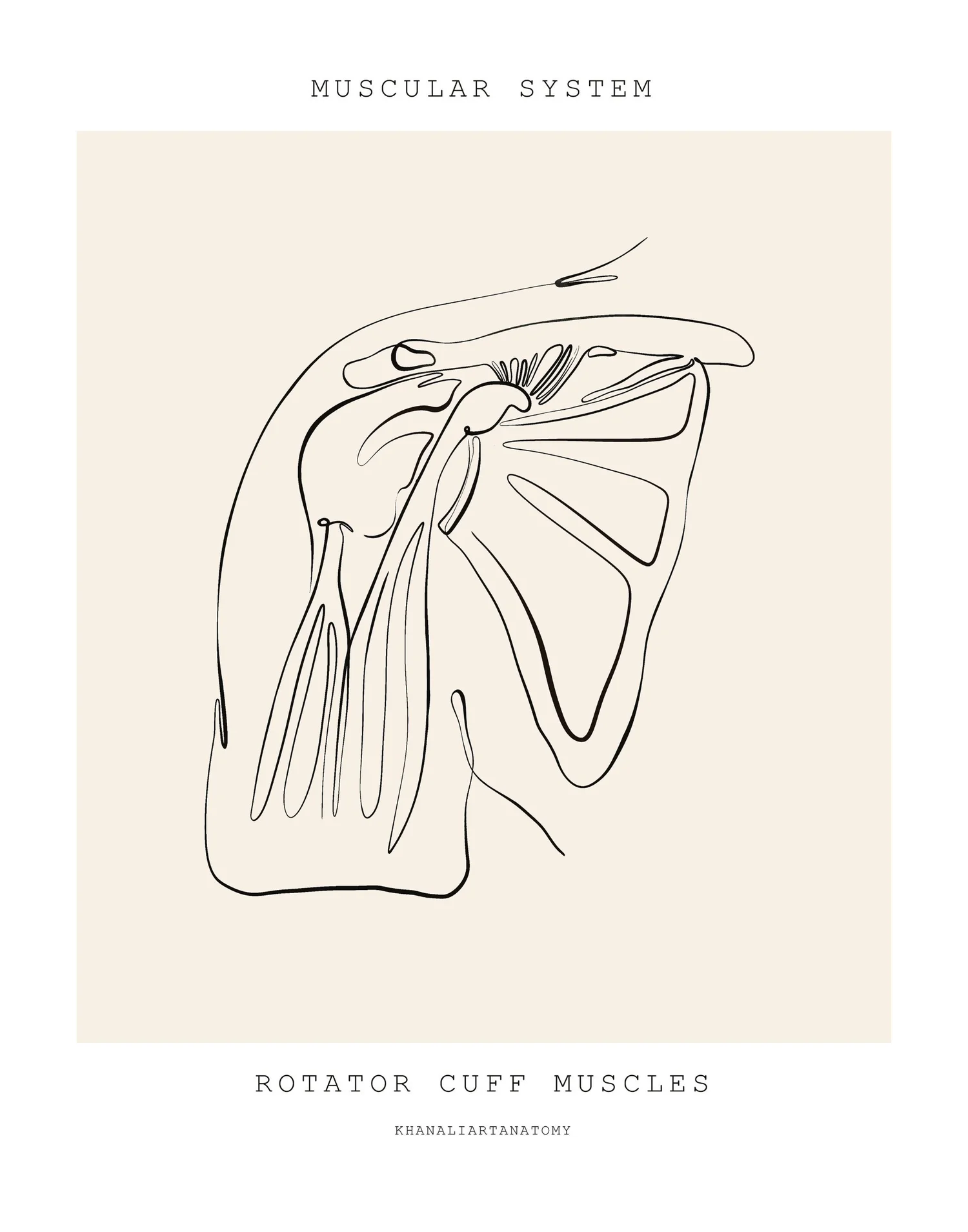
The way we know it is truly a frozen shoulder is that the motion is lost both ways. You cannot lift the arm, and your therapist cannot lift it for you even when you are completely relaxed. The joint capsule produces a particular pattern of that loss. That pattern suggests the capsule has tightened and the muscles around it are bracing. Those muscles are trying to do a job they were not made to do, which is protecting a joint that no longer feels safe to move. We work on both. We help the guarding in the neck and shoulder blade muscles settle, and we restore the capsule's motion a little at a time.
What a first visit looks like
A 60-minute hands-on evaluation. Your therapist measures what moves and what does not, checks the neck and first rib, and looks at how your upper back moves when you breathe. We sort out whether this is a frozen shoulder or something else wearing its costume. Then we sit down together and explain what we found and what the phases will look like. We discuss strategies you can begin doing at home to help things settle. Then we help you plan out how to get back to feeling like yourself again. You will not be rushed, dismissed, or sent home with a generic printout. We don't do guesswork. Every follow-up starts in the recovery room. Your therapist has planned a calm, welcoming recovery experience for your transition into the clinic, where you decompress, settle your nervous system, and relax your muscles. That prepares you to get the most out of the hands-on and movement-based portions of your session.
How long it usually takes
The number of visits varies. It depends on which phase you are in and how consistently you do your part at home. In the stiff phase we see you about once a week. The focus is calming pain, clearing the guarding in the neck and shoulder blade, and gentle joint work that keeps the shoulder quiet. In the thawing phase we shift to every week or two. The focus turns to rebuilding overhead strength and the capacity to load. At home, we usually suggest short, gentle routines several times a day rather than one long painful stretch. Those are your home habits, part of the Victory Method. Five minutes a day, as non-negotiable as brushing your teeth. Most people feel significantly better in three to four visits. A frozen shoulder often continues into a second month at a lighter pace while strength comes back.
What it costs
The evaluation is $225 and follow-ups are $199. Cash-based and out of network; HSA, FSA and CareCredit accepted; superbill once a physician referral is on file. No referral is needed to start. Over 600 Conroe neighbors have come through this door. More than 200 of them left five-star Google reviews, more than any other physical therapy clinic in Conroe.
When we'll send you somewhere else
In my experience, people who have been dealing with a frozen shoulder for a long time often have a sensitized nervous system. That can produce odd symptoms that tend to calm down once they understand what is actually going on. One evaluation is the right place to start. If we see any medical red flags, we will refer you out rather than recommend treatment. If pain is severe and constant with no position that gives relief, we may send you to a physician to discuss an injection that calms things enough for the movement work to begin.
Questions people ask
How do I know it is frozen shoulder and not a rotator cuff problem? With rotator cuff pain your therapist can usually move the arm for you even when you cannot lift it yourself. With a frozen shoulder, we usually cannot. The exam helps us tell them apart.
Will it come back? Rarely in the same shoulder. The other side can freeze later in some people, which is one reason we train both sides. We also often recommend that clients with a frozen shoulder have their hormones evaluated, and we connect them with a few trusted physicians in our network.
Should I stop using the arm? No. Use it for everything that does not hurt. Protect it from the few things that do.
Does dry needling help? Often, for the guarding muscles around the shoulder blade and the upper trapezius, when it fits the plan and you are comfortable with it.
What to do this week
- Stop forcing the stretch; back off to the range that does not make you hold your breath.
- Do a short, gentle motion several times a day instead of one long painful session.
- Fill out the contact form and tell us how long it has been stiff.
Ready to talk? You don't need to be in crisis to get care. Tell us what's going on and we'll tell you if we're the right fit. Fill out the contact form and our team will reach out, usually the same business day.
Anatomy line art by Khanali Anatomy, used with permission.