

Why does my hip or knee arthritis keep getting worse even though I am being careful with it?
You were handed the word arthritis as an explanation and a stop sign at the same time. You cut back on the hiking and the pickleball. You rest it when it flares. And it is still stiff in the morning and swollen by evening. It is not that the joint is wearing out because you use it. It is more likely that the joint is taking load it was never meant to take alone, because the muscles that are supposed to steady it have stopped doing their share. In Conroe, with a plan you actually understand.
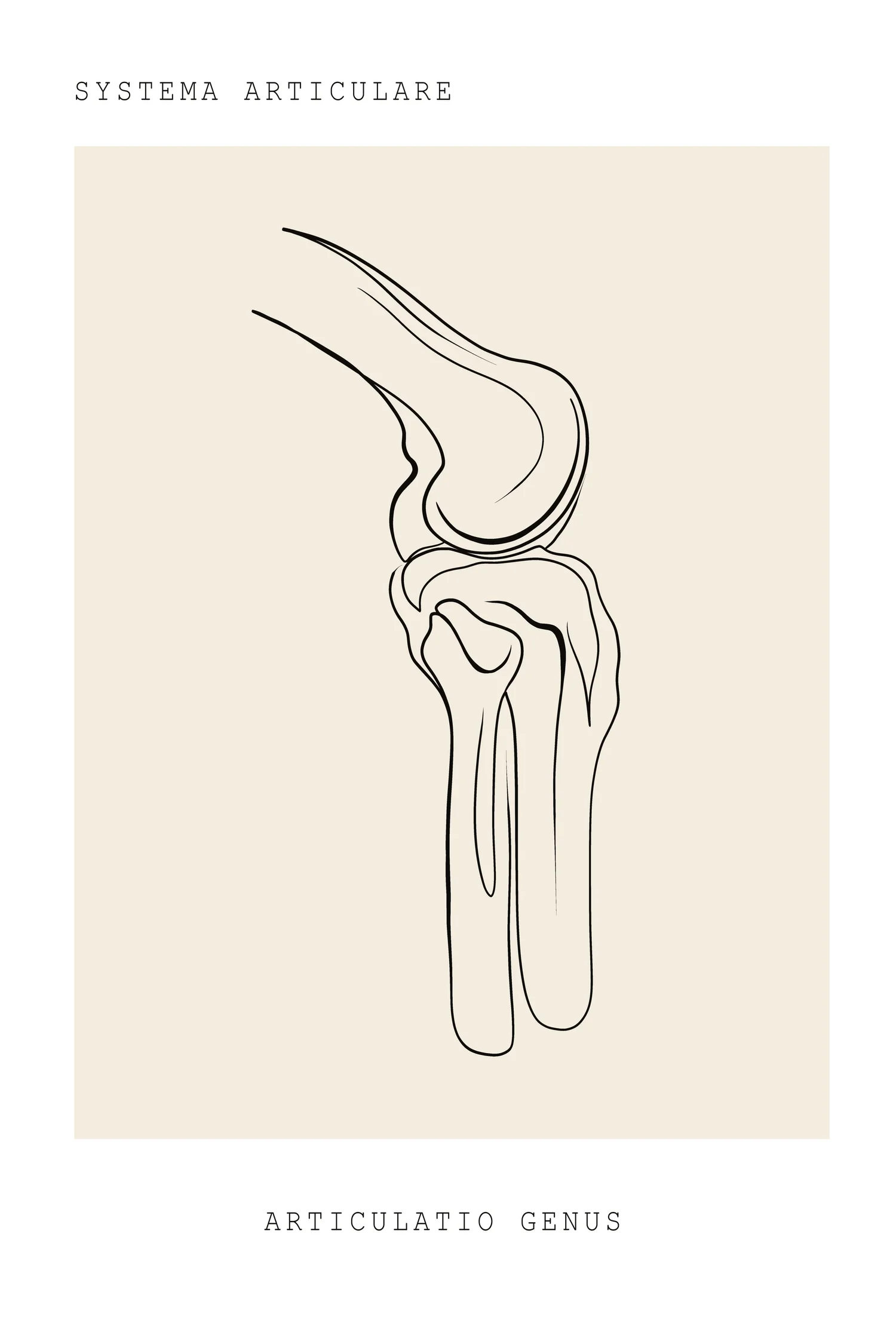
Who this is for
The sixty-year-old who wants to keep hiking, playing pickleball, gardening and getting down on the floor with grandchildren. The person who has been handed the word arthritis as an explanation and a stop sign at the same time. The one who has had an injection or two and is wondering what happens when they stop working. And the person on Medicare who has been told their options are limited; we see Medicare clients on a cash basis with a signed notice, and the care is the same.
The common mistake
Resting the joint to protect it. It feels logical. The joint hurts, so you use it less. But a joint with wear needs the muscle around it more, not less, and rest takes that muscle away. The second mistake is accepting the stiff morning and the swollen evening as the price of age. Stiffness is a symptom. It usually means the tissue around the joint is guarding, not that the joint has run out of room.
The reframe
It is not that the cartilage is gone, so the joint hurts. It is more likely that the joint is being loaded unevenly, so the tissue around it is reacting. Much of the pain in an arthritic joint comes from the joint lining, the muscles guarding it, and the tendons working overtime to steady it. The joint is where the bill arrived, not where it was run up. When the glutes are not doing their share, the hip takes load it was not built to take alone. When the hip and the foot are not controlling the leg, the knee does. The muscles that feel tight are bracing for a teammate that is not showing up. Stretching them does not fix that. Getting the teammate back on the job does. Cartilage does respond to load, just slowly, and it does better with even, well-supported loading than with rest. Two people with the same X-ray can have very different days. The difference is usually the support around the joint, and that is what we change.
What a first visit looks like
Your first visit is a 60-minute hands-on evaluation, not a treatment session. We want to understand what is driving the pain before we treat it. Your therapist measures how the joint moves and how much of the stiffness is muscle guarding rather than bone, tests the strength around it, watches you walk, squat and step down, and checks the back, the foot and the other joints that have been covering for this one. Then we sit down together and explain what we found. We discuss strategies you can begin doing at home to help things settle. Then we help you plan out how to get back to feeling like yourself again. You will not be rushed, dismissed, or sent home with a generic printout. We don't do guesswork. Every follow-up starts in the recovery room, which most of our arthritis clients come to love. Your therapist has planned a calm, welcoming recovery experience for your transition into the clinic, where you decompress, settle your nervous system, and relax your muscles. That prepares you to get the most out of the hands-on and movement-based portions of your session.
How long it usually takes
The number of visits varies. It depends on how serious the problem is and how consistently you do your part at home. Most people feel significantly better in three to four visits. Strength is usually back in about eight. We typically see you once or twice a week. Early on, better often looks like a longer walk before the ache and a morning that loosens up faster. Arthritis care is a long game. The point of the plan is to leave you with home habits and a strength program you can keep up for years, with tune-ups when you want them. Your home habits are part of the Victory Method. Five minutes a day, as non-negotiable as brushing your teeth.
What it costs
The evaluation is $225 and follow-ups are $199. Cash-based and out of network; HSA, FSA and CareCredit accepted; superbill once a physician referral is on file. No referral is needed to start. Medicare clients are seen on a cash basis with a signed notice. Over 600 Conroe neighbors have come through this door. More than 200 of them left five-star Google reviews, more than any other physical therapy clinic in Conroe.
When we'll send you somewhere else
One evaluation is the right place to start. If we see any medical red flags, we will refer you out rather than recommend treatment. If your evaluation suggests the joint has reached the point where a replacement is worth discussing, we will say so. We can work on strength beforehand, which many people find helps their recovery afterward.
Questions people ask
Will exercise wear my joint out faster? Appropriate exercise does not, in my experience. Cartilage has no blood supply of its own; it gets its nutrition from being loaded and unloaded. Joints are built to be used. It is uneven, unsupported loading that tends to irritate them. We work out together what appropriate means for you.
Should I get an injection? That is between you and your physician. Injections can quiet the pain for a while; the muscle work is what changes how the joint handles load.
Is it too late if I am seventy? No. Strength can build at every age, and people who start late are often pleased with what changes.
I have Medicare. Can I come? Yes, on a cash basis with a signed notice, and the care is identical.
What to do this week
- Know that an X-ray showing wear is not a stop sign. Joint changes and joint pain are two different things, and the muscles around the joint are where most of our work happens.
- Notice which things set the joint off and which it tolerates. Many people find the ache follows how the joint is supported more than how much they do, and that is something we work on together.
- Fill out the contact form and tell us which joint and what you want to get back to. One line to keep: your joint is not worn out from use. It is under-supported, and support can be rebuilt.
Ready to talk? You don't need to be in crisis to get care. Tell us what's going on and we'll tell you if we're the right fit. Fill out the contact form and our team will reach out, usually the same business day.
Anatomy line art by Khanali Anatomy, used with permission.