

Why does my knee still hurt on stairs even though I rest it?
Knee pain can come from the knee itself, from how the hip and foot are controlling the leg, or from a combination. In my experience, when the hip or the foot is not doing its part, the knee ends up absorbing load and rotation it is not well suited for. Knee-only programs often do not hold for long. That is why I trained my team to assess the hip and the foot along with the knee. Then we talk through what we find and what makes sense for you. In Conroe, with a plan you actually understand.
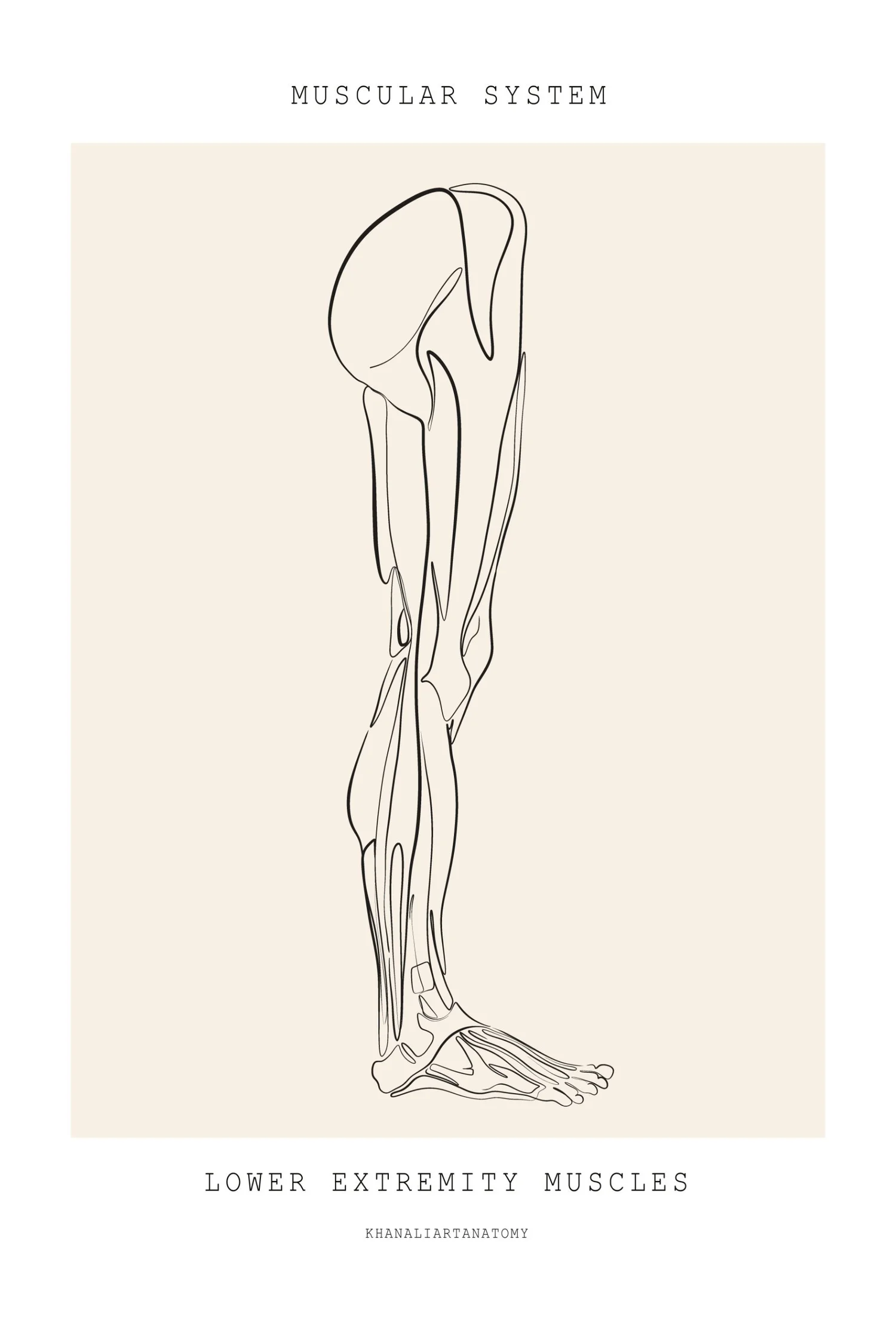
Who this is for
The runner whose knee aches on the downhill. The squatter whose knee caves in on the way up. The person whose knee hurts on stairs, especially going down, or after sitting through a movie. The one with a scan that shows "some wear" and no plan. The parent who cannot kneel on the floor anymore. And the person who has been told to stop running, who would rather be told how to keep running.
The common mistake
Resting until it stops hurting, then going straight back to what was aggravating it. And relying on leg extensions alone, which load the front of the knee in a way many irritated knees do not tolerate well. Often the knee needs the hip to control the thigh and the foot to support the lower leg more than it needs another knee exercise.
The reframe
When we see a client with knee pain, the problem is often the hip muscles that control the side-to-side motion of the knee. The real problem is frequently not what hurts. The knee is the secondary problem that developed because of an imbalance at the hip. If the hip lets the thigh drift inward, or the foot flattens without the big toe anchoring, the knee takes rotation with every step and every rep. The hip and the foot influence each other, and the knee sits between them. Swelling around the kneecap, a tender inner joint line or an irritated fat pad tell us where the load has been landing. The hip and foot tests tell us why.
What a first visit looks like
Your first visit is a 60-minute hands-on evaluation, not a treatment session. We want to understand what is driving the pain before we treat it. Your therapist watches you squat, step down and stand on one leg, tests the hip and the foot, checks the low back and the nerve, and then examines the knee itself: how it moves, what is tender, whether the kneecap glides, whether anything is loose. Then we sit down together and explain what we found. We discuss strategies you can begin doing at home to help things settle. For example, when a hip imbalance is contributing to knee pain, we often remove stretching from the home routine altogether. Then we help you plan out how to get back to feeling like yourself again. You will not be rushed, dismissed, or sent home with a generic printout. We don't do guesswork. Every follow-up starts in the recovery room. Your therapist has planned a calm, welcoming recovery experience for your transition into the clinic, where you decompress, settle your nervous system, and relax your muscles. That prepares you to get the most out of the hands-on and movement-based portions of your session.
How long it usually takes
The number of visits varies. It depends on how serious the problem is and how consistently you do your part at home. Most people feel significantly better in three to four visits. Strength is usually back in about eight. We typically see you once or twice a week. Your home habits are part of the Victory Method. Five minutes a day, as non-negotiable as brushing your teeth. Early on, better often looks like stairs and a short run without the ache the next morning. A knee that tweaked last week is often one or two visits. A knee that has been sore for a season often needs closer to ten. Often the reason it became chronic is that previous rehab never strengthened the hip muscle causing it in the first place.
What it costs
The evaluation is $225 and follow-ups are $199. Cash-based and out of network; HSA, FSA and CareCredit accepted; superbill once a physician referral is on file. No referral is needed to start. Over 600 Conroe neighbors have come through this door. More than 200 of them left five-star Google reviews, more than any other physical therapy clinic in Conroe.
When we'll send you somewhere else
In my experience, people who have been dealing with knee pain for a long time often have a sensitized nervous system. That can produce odd symptoms that tend to calm down once they understand what is actually going on. One evaluation is the right place to start. If we see any medical red flags, we will refer you out rather than recommend treatment.
Questions people ask
Do I have to stop running? Often not. We adjust cadence or distance to keep the run at a mild level while we work on hip control, and build it back up from there.
Can I keep squatting? Often yes, with the depth and stance adjusted so the knee tracks over the foot. Many people find their squat improves as hip control improves.
Is it my meniscus? It may be involved. Many people have meniscus changes on imaging that are not the main source of their pain. The exam and your story help us sort that out.
Should I wear a brace? Sometimes for a flare. A brace can offer short-term support; it does not change how the hip and foot are controlling the leg, which is where the lasting work is.
What to do this week
- Know that the knee is usually where the bill arrives, not where it was run up. The hip and the foot are often doing less than their share, and that is something we work on together.
- Notice whether the knee drifts inward when you step down a stair or stand up from a chair. You do not need to fix it this week. It just tells us where to look.
- Fill out the contact form and tell us what the knee does on stairs and after sitting.
Ready to talk? You don't need to be in crisis to get care. Tell us what's going on and we'll tell you if we're the right fit. Fill out the contact form and our team will reach out, usually the same business day.
Anatomy line art by Khanali Anatomy, used with permission.