

Postpartum pelvic floor therapy
Being cleared at six weeks generally means your tissue has healed. Infection is no longer the main worry. It does not mean your core, pelvic floor and hips are ready to run, jump or lift heavy. Carrying a car seat up the stairs counts as lifting heavy. That part is not always explained at the checkup. You can come see us any time after birth, as long as getting here does not add stress to your recovery. We start where you are, and the foundation gets rebuilt before you go back to the gym. There are no internal exams here. Everything is movement-based with your clothes on. In Conroe, with a plan you actually understand.
Who this is for
The mom who leaks a little when she laughs and has decided that is just how it is now. The mom who feels heavy or "open" at the end of a long day on her feet. The runner who wants to get back to miles and is scared to try. The C-section mom whose scar still pulls and whose low back has taken over. And the mom two years out who never got around to it; it is not too late.
The common mistake
Going straight back to what you did before because you were cleared, then blaming yourself when it leaks or aches. The second mistake is doing kegels at every red light. In my experience a pelvic floor that has been working hard for nine months is often tight and tired rather than weak. It has been bracing to do a job it was not made to do alone. A tight floor usually needs to learn to let go before it can get strong.
The reframe
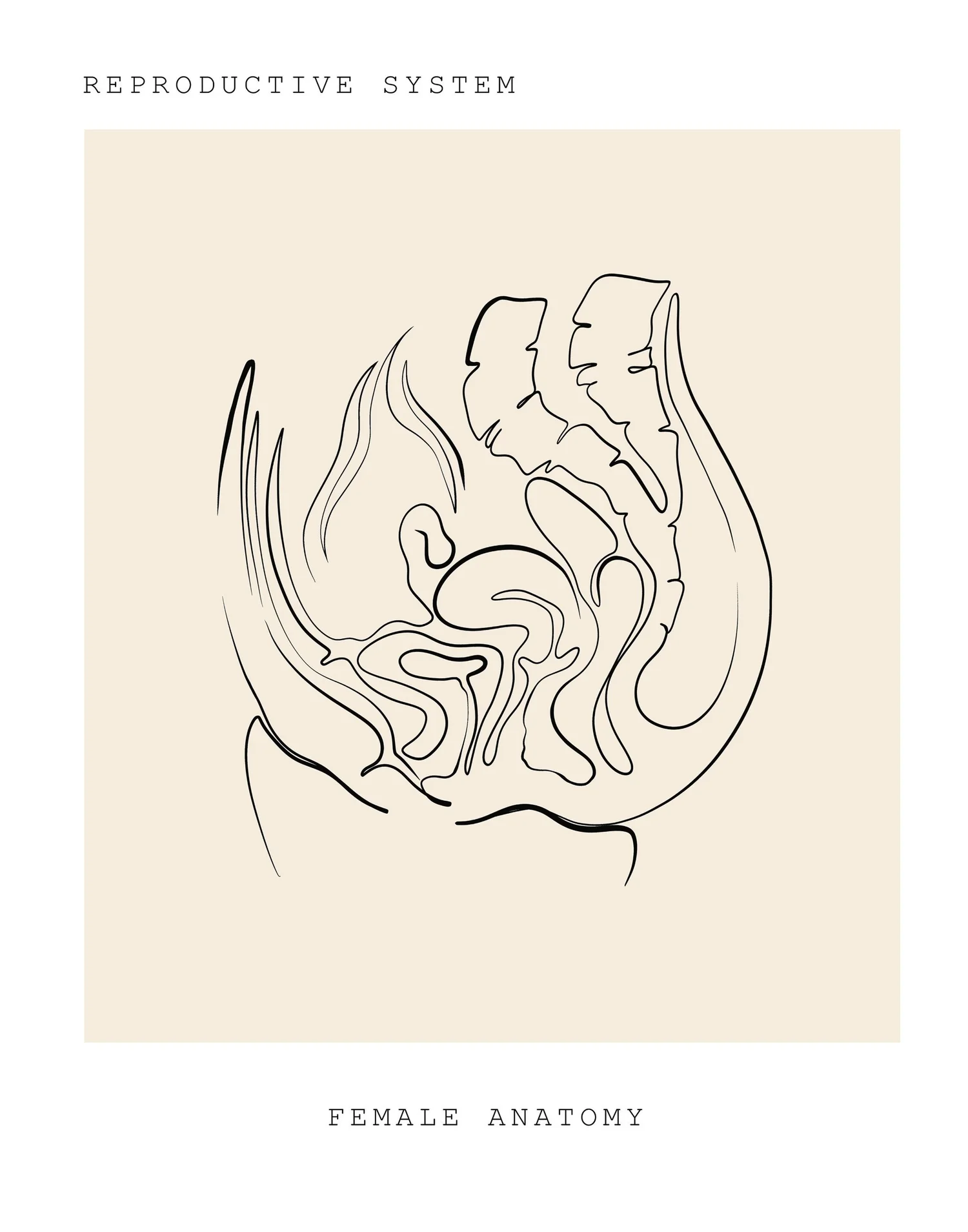
The belly pulled you forward for months. The back of the hips compressed, the breath went shallow, and the chest and shoulders adapted to feeding and holding a baby. None of it is a problem by itself. A lot of it comes down to how pressure is managed in the torso. When the upper abs grip, pressure tends to go down onto the pelvic floor and out at the lower belly. We work toward a pattern that is soft under the ribs and supported above the pubic bone. After a C-section, the scar can pull on the front of the body and change how you stand. It can improve even years later, with consistent work rather than one session.
What a first visit looks like
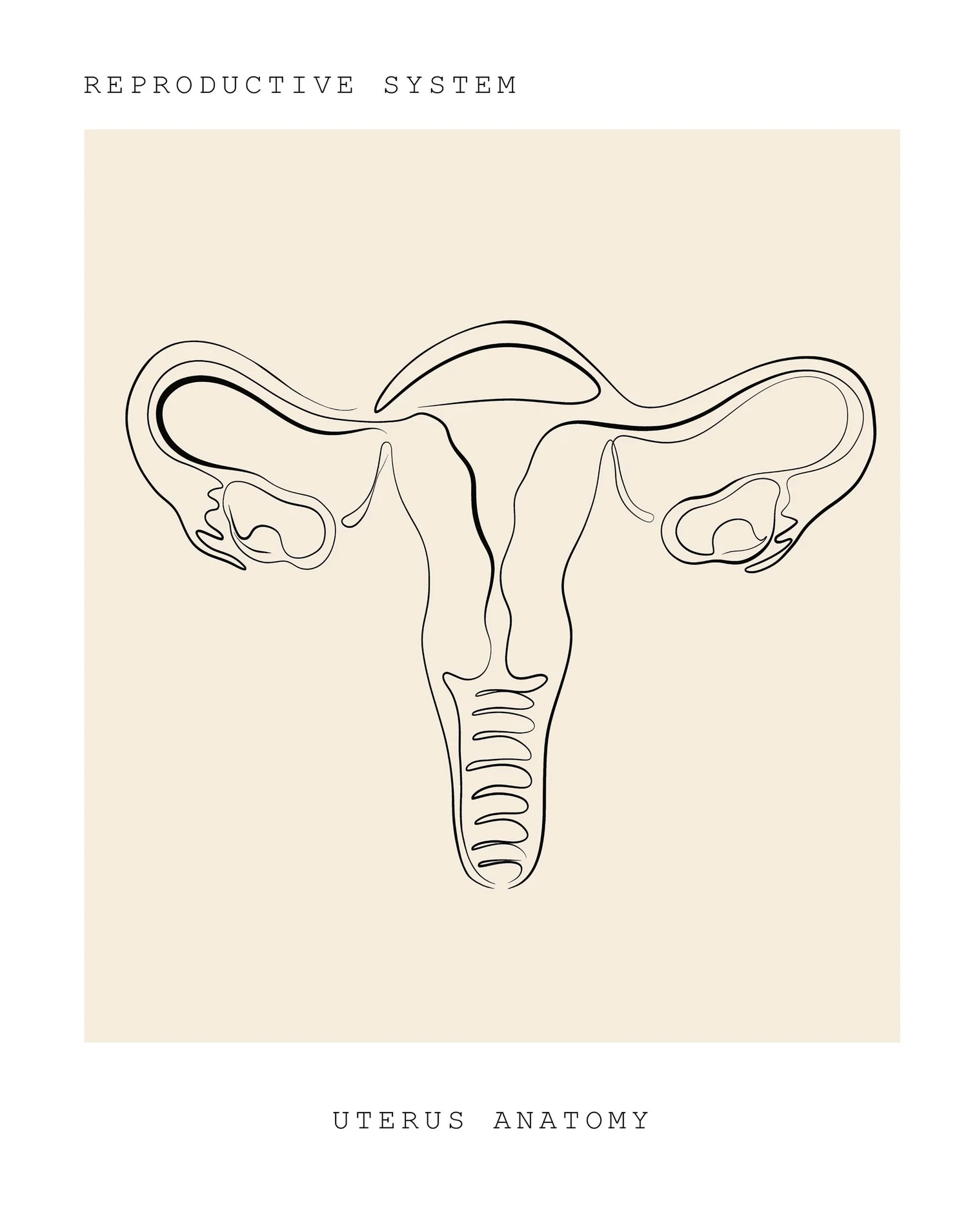
Your first visit is a 60-minute hands-on evaluation, not a treatment session. We want to understand what is driving the problem before we treat it. Your therapist assesses your breathing and check for a gap in the abdominal wall and how deep it is. Depth matters more than width. We test how your core and hips handle load, and look at your scar if you had a C-section. Then we sit down together and explain what we found. We discuss strategies you can begin doing at home that day. Then we help you plan out how to get back to feeling like yourself again. You will not be rushed, dismissed, or sent home with a generic printout. We don't do guesswork. Every follow-up starts in the recovery room. Your therapist has planned a calm, welcoming recovery experience for your transition into the clinic, where you decompress, settle your nervous system, and relax your muscles. That prepares you to get the most out of the hands-on and movement-based portions of your session. Bring the baby if you need to. We have had plenty of visits with a car seat in the corner.
How long it usually takes
The number of visits varies. It depends on how the birth went and how consistently you do your part at home. Most people feel significantly better in three to four visits. Strength is usually back in about eight. We typically see you once or twice a week. Some need only a few visits to get their bearings. A return to running or heavy lifting often takes closer to ten. Your home habits are part of the Victory Method. Five minutes a day, as non-negotiable as brushing your teeth. That is what makes it stick between feedings.
What it costs
The evaluation is $225 and follow-ups are $199. Cash-based and out of network; HSA, FSA and CareCredit accepted; superbill once a physician referral is on file. No referral is needed to start. Over 600 Conroe neighbors have come through this door. More than 200 of them left five-star Google reviews, more than any other physical therapy clinic in Conroe.
When we'll send you somewhere else
One evaluation is the right place to start. If we see any medical red flags, we will refer you to your provider rather than recommend treatment. Heavy bleeding, fever, a wound that is opening or weeping, severe pain that is getting worse, or anything that frightens you about your mood belongs with your provider first. Pain with intimacy that does not change with our work gets a referral to a pelvic health physician.
Questions people ask
Is it too late if my baby is five? No. The scar, the core and the pelvic floor can all respond years later.
I had a C-section, do I still need pelvic floor care? Yes. Nine months of pregnancy changed the pelvis whether or not the baby came through it, and the scar adds its own pull.
When can I run again? We look for things like a steady single-leg squat and no leaking or heaviness under a hop before building back up. We test it together rather than guess.
Do you check the gap in my abs? Yes, with a hand on your belly while you lift your head, the same test you may have seen online, read properly.
What to do this week
- Notice where your breath goes when you are holding the baby. If it rides up into your neck and shoulders, that is common after months of feeding and carrying, and it is one of the first things we work on.
- Notice whether you hold your breath when you lift the car seat. Most mamas do. That breath-hold pushes pressure down onto the pelvic floor, and there is an easier way to lift that we will show you.
- Fill out the contact form and tell us how far out you are and how the birth went.
Ready to talk? You don't need to be in crisis to get care. Tell us what's going on and we'll tell you if we're the right fit. Fill out the contact form and our team will reach out, usually the same business day.
Anatomy line art by Khanali Anatomy, used with permission.