

Sciatica treatment in Conroe
Sciatica is the word most people use for pain that runs from the low back or buttock down the leg. In my experience the nerve itself is rarely the whole story. More often something around it is irritating it. The work is to address what is irritating the nerve, not to stretch it. If you have been stretching your hamstrings for weeks and the leg is no better, there is probably a reason why. PhysioVictory is in Conroe, with a plan you actually understand and know how to use.
Who this is for
This is for the person whose leg aches in the car, who wakes at three in the morning with a buzzing calf, who has had an MRI that came back "normal" and was sent home with a sheet of stretches. It is for the lifter who was told to stop lifting, and for anyone who has been handed the word sciatica and nothing useful to do with it.
The mistake people make
There are three we see most often.
- Aggressively stretching the hamstrings and trying new stretching methods. An irritated nerve does not like being pulled tight. In my experience that stretching often makes the leg worse.
- Two weeks of bed rest. While we rest, the nervous system becomes more sensitive and the body shifts into a more convalescent state. Then we get up and try the exact same workout we did before. By then we have lost tissue tolerance and the support the body builds when we move regularly. We are simply weaker, and the leg hurts more, not less.
- Assuming a normal MRI taken lying down means the pain is not real. The pain only shows up standing, under gravity, which is exactly where the scan was not taken.
I wrote more about these three mistakes in my sciatica article. Learn more here.
What's usually going on
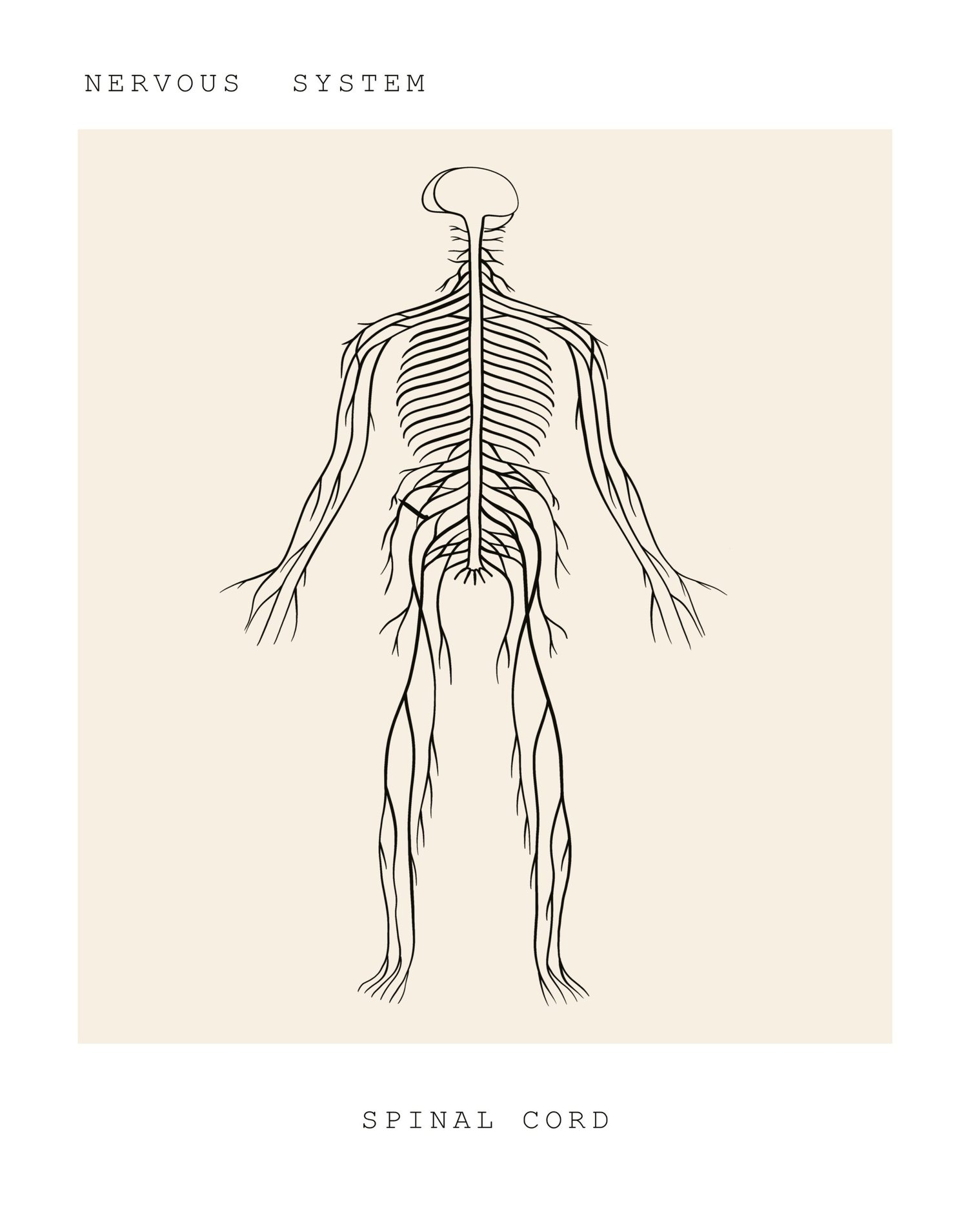
True pressure on the nerve at the spine is only part of the picture. More often something along the nerve's circuit is irritating and sensitizing it. Nerve tissue runs as one circuit. You may feel the symptoms anywhere along it, whether in the back, the hamstring, behind the knee, or in the foot. That can be a disc that only bothers it in certain positions, deep hip muscles that are bracing, or pressure that builds in the pelvis after a day upright. What I have learned is how much posture and pelvic pressure sit on top of the nerve irritation itself. A back that is tight after exercise is usually bracing to do a job it was not made to do. The leg irritation often settles when the back is no longer compensating for tight hamstrings.
What a first visit looks like
The first visit is a 60-minute hands-on evaluation. Your therapist tests the nerve's tension, checks how your hips and spine move, and watches you stand and walk. We are looking for what is irritating the nerve. Then we sit down together and explain what we found. We discuss strategies you can begin doing at home that day, so relief can start before the second visit. Then we help you plan out how to get back to feeling like yourself again. You will not be rushed, dismissed, or sent home with a generic printout. We don't do guesswork. Every follow-up starts in the recovery room. Your therapist has planned a calm, welcoming recovery experience for your transition into the clinic, where you decompress, settle your nervous system, and relax your muscles. That prepares you to get the most out of the hands-on and movement-based portions of your session.
How long it usually takes
The number of visits varies. It depends on how serious the problem is and how consistently you do your part at home. Most people feel significantly better in three to four visits. The final stage of care is weekly sessions coaching you on how to build true muscle strength at home, so you keep the results of your time and financial investment. We typically see you once or twice a week. Occasionally we recommend three times a week for acute injuries like a severe ankle sprain or a hamstring tear. Your home habits are part of the Victory Method. Five minutes a day, as non-negotiable as brushing your teeth. Early on, better does not usually mean pain-free. It means you can tolerate walking, sitting, and sleeping positions longer. Sleep quality usually improves quickly. Standing tolerance improves, sometimes quickly and sometimes steadily. For sitting, the first goal is 20 minutes at a time with a short standing break, then back to it, until a full workday is built that way on a 20-minute timer. Once you reach those milestones, the nervous system typically starts to unwind. Those are the signs we look for to know we are on the right track. We have had several clients with sciatica who improved drastically within the first session or two. At PhysioVictory, we always prefer to under-promise and over-deliver rather than the other way around.
What it costs
The evaluation is $225 and follow-ups are $199. We are cash-based and out of network; HSA, FSA and CareCredit all work, and we provide a superbill once a physician referral is on file. You do not need a referral to start. Over 600 Conroe neighbors have come through this door. More than 200 of them left five-star Google reviews, more than any other physical therapy clinic in Conroe.
When we'll send you somewhere else
In my experience, people who have been dealing with sciatica for a long time often have a sensitized nervous system. That can produce odd symptoms that tend to calm down once they understand what is actually going on. One evaluation is the right place to start. If we see any medical red flags, we will refer you out rather than recommend treatment.
Questions people ask
Should I keep going to the gym? Usually yes, with changes. Heavy standing lifts like back squats and deadlifts often come off the menu for now, and we swap in supported work that keeps your strength without loading the irritated nerve. The evaluation hour goes to finding what is irritating the nerve, so you leave with a few changes to make right away. If staying in the gym is your priority, we go through your workout plan line by line at your first follow-up.
Why is it worse in the car? The position most people sit in while driving irritates the nerve. Nerves also prefer rhythmic movement to static sitting, and a long drive is about as static as it gets.
Why does it wake me up? Night pain is common with an irritated nerve and it does not mean something is seriously wrong. Lying still for hours in one position is the same problem as the car: no rhythmic movement, and a sensitized nerve notices. It usually settles as the irritation calms down, and sleep is often one of the first things to improve.
Do I need an MRI first? Often not to begin. An image is one picture in time. It does not show what your tissues are doing while you are living your life and hurting. Imaging matters when there has been a traumatic injury or severe dysfunction, where the question is whether you need surgery. For chronic issues, most clients who get imaging early on come back with a clear scan. What we do at the evaluation is sort out which tissue is functionally causing your symptoms. If anything in your story or your exam says imaging should come first, we will say so and help you get it.
What to do this week
- Stop stretching the hamstring on the painful side.
- Get up and walk for two minutes every half hour you sit.
- Fill out the contact form with what you have tried, and we'll find you a time.
Ready to talk? You don't need to be in crisis to get care. Tell us what's going on and we'll tell you if we're the right fit. Fill out the contact form and our team will reach out, usually the same business day.
Anatomy line art by Khanali Anatomy, used with permission.